If you’re reading this, chances are you’re either a healthcare professional, trainer, or educator who wants to teach CPR and is wondering if an Online CPR Instructor Course in Austin offers the same benefits as on site training.
If yes, then this guide is here to explain that the right online instructor course offers flexibility, credibility, practicality, and how well they prepare you for real people in real emergencies.
By the end of this article, you’ll understand the seven features clearly.
Why Training for Online CPR Instructor Course in Austin Is Growing
According to emergency response registry data, cardiac arrests remain one of the most frequent and time critical emergencies, as over 350,000 of these cases occur yearly in the U.S.
Consequently, only 40% of cardiac arrest victims receive bystander CPR before EMS arrives.
This is why online CPR instructor training exists: real life has obstacles. Not everyone can sit in a classroom or follow a fixed schedule. Hence, online courses make learning easier by letting you learn anytime, anywhere, at your own pace.
Who is This Course Designed For
Most online CPR instructor courses are planned for:
- Healthcare professionals who already understand emergency response
- Trainers and safety officers who are responsible for workplace compliance
- Educators teaching life saving skills in schools or community programs
These are people who already have experience. They don’t need to sit in a classroom for 40 hours just to hear material they know.
What Makes Online Different from Traditional Programs
Traditional CPR instructor programs require unlimited time, fixed schedules, and physical attendance. But that is not the case with online instructor courses. It flips that model.
They are not asking you, “Can you attend?” They ask, “Can you demonstrate competency?”
Now lets take a look at 7 stand out features below that you should know before signing up for an online CPR instructor course.
1. Fully Online, Self Paced Learning
This is usually the first reason people click.
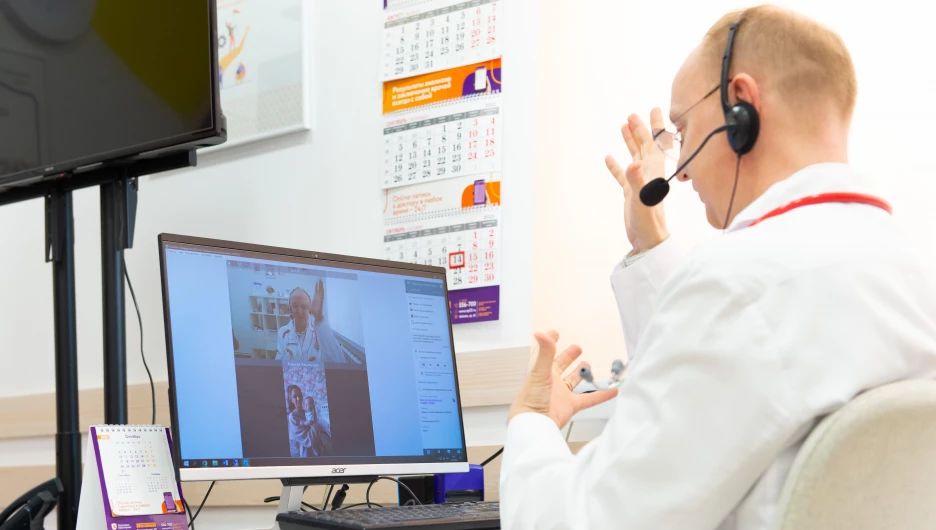
Learn Anytime, Anywhere
Online CPR instructor courses let you log in after a night shift, during a weekend, or between classes. You’re not tied to a classroom or a calendar. Honestly, what more can you ask?
No Fixed Schedules or Travel
There’s no driving across town, no rescheduling work, and no hotel costs. For busy professionals, this removes the biggest barrier to becoming an instructor.
Made for Busy Professionals
Think of it like university coursework: you’re responsible for pacing yourself, but the structure is there. If you’ve ever taken an online college course, the format will feel familiar. There’s nothing new to be nervous about.
2. Accredited and Industry Recognized Curriculum
Not all online Online CPR Instructor Course in Austin are the same, and this is where many fail.
Meets Current CPR and Safety Standards
Legitimate programs align with evidence-based guidelines such as those supported by the American Heart Association (AHA), which works closely with international resuscitation science bodies to update CPR standards regularly.
Based on Evidence Based Guidelines
Online instructor courses are grounded in research reviewed by medical experts and public health authorities, including guidance supported by AHA.
Builds Instructor Credibility and Trust
When you teach CPR, people trust you with their safety. Your accreditation signals that your instruction meets nationally recognized expectations, not shortcuts.
Did you know: Research shows a graded inverse relationship between the delay in starting CPR and survival odds? For example, receiving CPR 4–5 minutes after collapse makes survival notably worse than CPR begun in under 1 minute.
3. Instructor-Focused Teaching Methodology
Here’s where instructor courses differ from basic CPR classes.
Teaching CPR vs Performing CPR
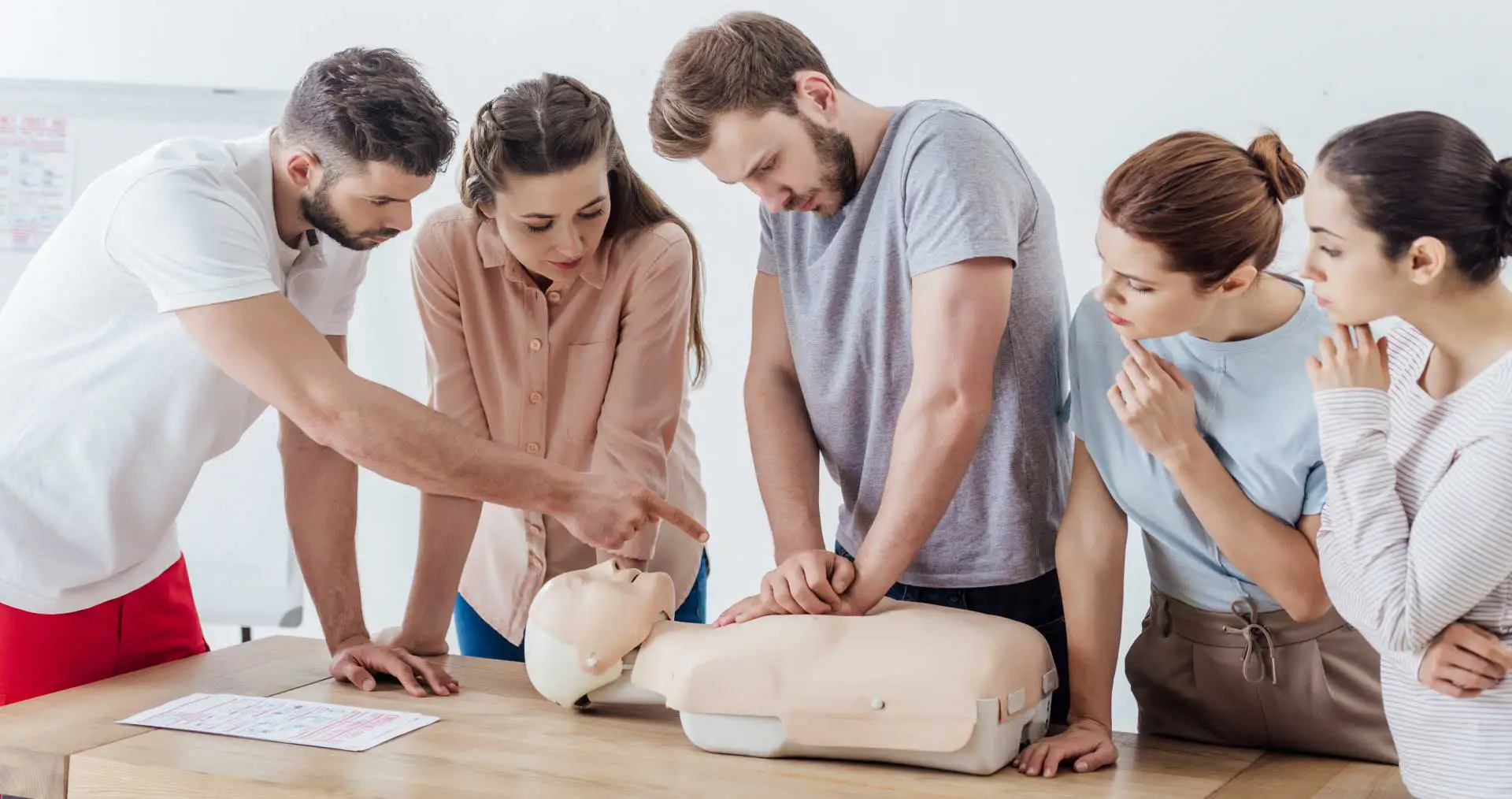
Knowing how to do CPR is not the same as knowing how to teach it. Instructor training focuses on:
- Breaking skills into teachable steps
- Identifying common learner mistakes
- Explaining why techniques matter
Communication and Learner Engagement
You learn how to explain CPR to:
- Nervous first-timers
- Non medical staff
- Large workplace groups
Confidence in Leadership
By the end of the Online CPR Instructor Course in Austin, you’re not just certified, you’re prepared to lead a room confidently.
4. Interactive Learning Tools and Assessments
Good online courses keep you involved, not just keep you limited to watching or reading.
Video Demonstrations and Real-Life Scenarios
You don’t merely sit and read. You watch scenarios that mirror real emergencies: workplace collapses, school incidents, public events.
This is why CPR Training Clinic emphasizes scenario based training as a key factor in improving emergency response readiness.
Quizzes and Evaluations
Short assessments reinforce learning and highlight gaps before you teach others.
Better Knowledge Retention
Active learning leads to better recall. (Especially under stress)
5. Real World Application and Skill Validation
This is where theory meets practice.
Practical Teaching Exercises
Instructor courses include exercises where you plan lessons, explain techniques, and simulate instruction.
Feedback on Technique and Style
Some programs provide structured evaluation. This includes what worked, what didn’t, and how to improve.
Bridging Theory and Instruction
This step guarantees that you’re not just certified on paper but reliable and competent in front of learners.
6. Flexible Certification and Recertification Options
CPR guidelines change, and good programs plan for that.
Simple Certification Process
Once requirements are met, certification is straightforward, with no unnecessary hoops.
Easy Renewal and Continuing Education
Recertification options are often streamlined and accessible online.
Staying Current
CPR Training Clinic updates resuscitation guidance based on emerging research. Flexible recertification helps instructors stay aligned with these updates.
7. Ongoing Support and Teaching Resources
The online CPR instructor course doesn’t end when certification does and smart course providers understand this.
Lesson Plans and Materials
Quality programs provide ready to use lesson outlines, slides, and teaching aids.
Guideline Updates
When standards change, instructors are notified, no scrambling to catch up.
Continued Support
You’re not left alone after the course. Support teams and resources remain available
Feature Comparison: Traditional vs Online CPR Instructor Course in Austin
| Feature | Traditional Training | Online Instructor Course |
| Schedule | Fixed | Self paced |
| Location | In person only | Anywhere |
| Learning Style | Lecture-heavy | Interactive |
| Updates | Infrequent | Ongoing |
| Cost & Time | Higher | More efficient |
Learning with the Right Professionals
Learning from skilled professionals is important because they know what really works.
For example, if you were learning to ride a bike from someone who had never ridden before, you might fall a lot. But if a teacher has practiced many times and knows the tricks, you learn faster and more safely, right? It’s the same with CPR: good instructors help you understand, remember, and do it correctly.
This is why, at CPR Training Clinic, we make sure you learn from the best. We run Austin’s most complete emergency preparedness programs, trusted in workplaces, schools, and hospitals, with a 92% quality rating. With us, you know your learning counts and meets real standards.
Why trust this process? You see, when instructors are underprepared, it creates confusion among students, leading to unsafe practices and certifications that employers won’t accept. This blog cuts through that noise.
Is an Online CPR Instructor Course Worth It?
If you’re serious about teaching CPR but the fixed schedule is not working for you, an Online CPR Instructor Course in Austin is exactly what you need. It respects your time, is accredited, and industry recognized. It also offers practical teaching, has interactive assessment and learning tools, practical applications, and certifications, and offers post training support. Ultimately, the key is choosing a program from a professional who has experience to take your expertise to another level.
Ready to Teach and Save More Lives?
We are now accepting new instructors and transfers. Secure your spot or get a quote for training sessions for your organization or company and join Austin’s trusted team of certified CPR instructors before spaces fill up!
Have Questions?
-
Is online CPR instructor certification recognized by employers?
Online CPR instructor certifications are accepted by employers when the program is accredited and aligned with recognized standards. However, always verify acceptance with employers.
-
Can I teach CPR immediately after certification?
Most programs allow you to teach once certified, though some recommend mentorship or initial co teaching.
-
How long does an online CPR instructor course take?
An online CPR instructor course typically takes 15- 30 hours, depending on pacing and experience.
-
Do online courses include hands-on components?
Instructor-focused programs include skill validation and teaching simulations.
-
How often do CPR guidelines change?
Major updates occur every few years, guided by ongoing research reviewed by national organizations like the American Heart Association.